
One license, every participating state. Find your situation.
If you hold a current, unrestricted EMS license in a participating state, you already have a Privilege to Practice in every other participating state. The rule is the same everywhere: a valid Home State license, affiliation with a locally authorized EMS agency, and practice under that agency's medical director. What changes is how that plays out in your line of work.
Already licensed in the state where you want to work? That state is a Home State, and the Privilege to Practice does not apply there. You practice under that state's license. The Privilege to Practice covers the participating states where you are not licensed.
The Compact applies the same way everywhere, but the practical details differ by the kind of work you do. Find the situation that fits you and jump to it.
Why the Compact handles your license but not the rest
In a participating state, the Compact does one thing completely: it satisfies the individual licensing requirement, so your Home State license is fully recognized with no separate license to apply for. But a license is not all that EMS practice requires. Because EMS clinicians do not have independent practice authority, you must affiliate with an authorized EMS agency and work under physician medical direction, and those requirements are set by each state's own law, which the Compact does not change.
Each state decides for itself what counts as an EMS agency and where clinicians may operate. In some states every agency, including non-transport quick response units, must be licensed and is even assigned a response district; in others, first-response non-transport agencies are not licensed at all; and in some, state law specifically allows EMTs and Paramedics to operate in hospitals and clinics. Two limits follow, and they drive the scenarios below: an agency authorized in one state does not carry that authorization into another, and an authorized agency type in one state (a hospital, for example) may not be one in another. That is why your affiliation must be with a local, established agency in the remote state.
All EMS clinicians practicing under the Privilege to Practice must adhere to the Professional Code of Conduct (Administrative Rules 4.0(E) and 4.6).
 Traditional ground EMS
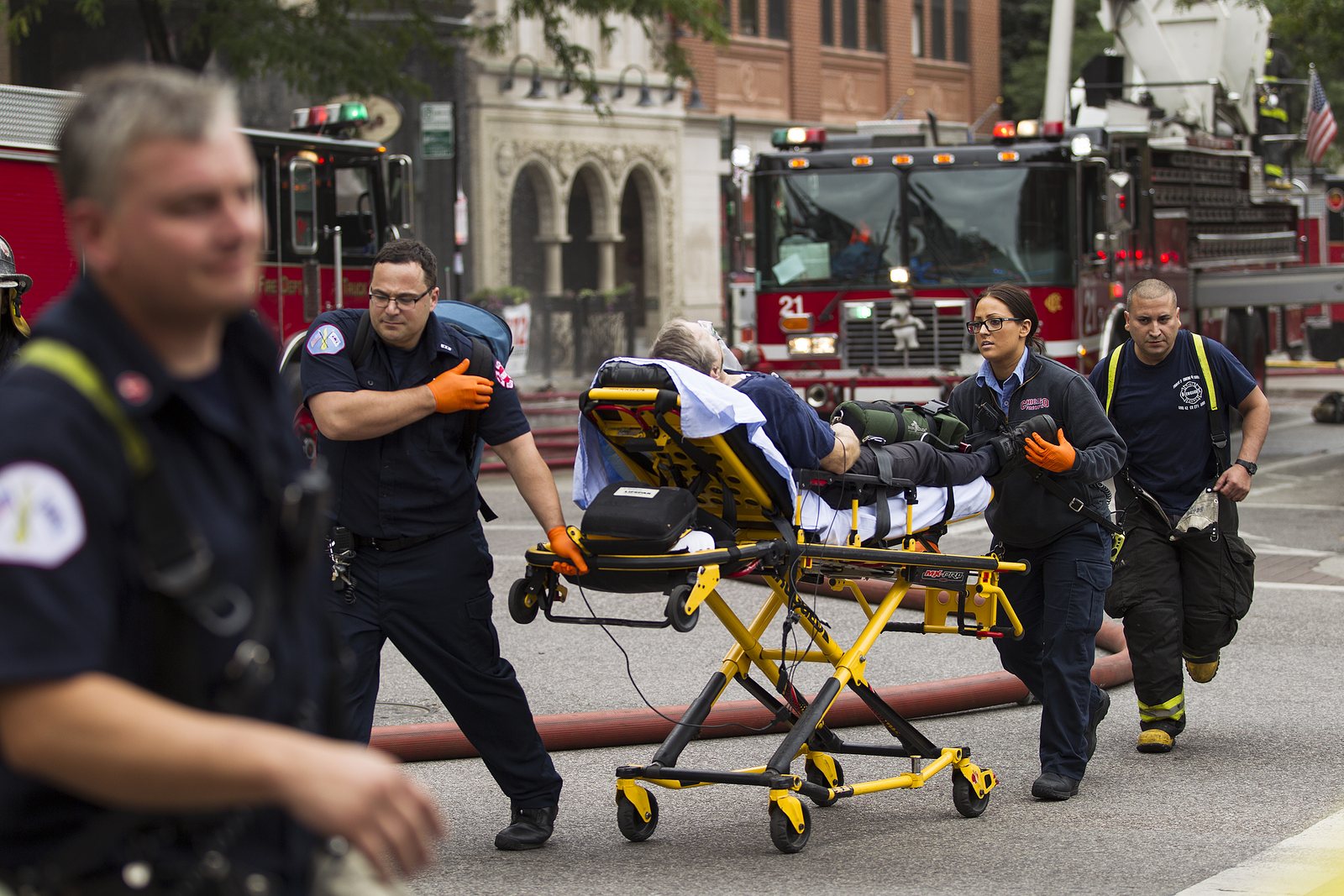
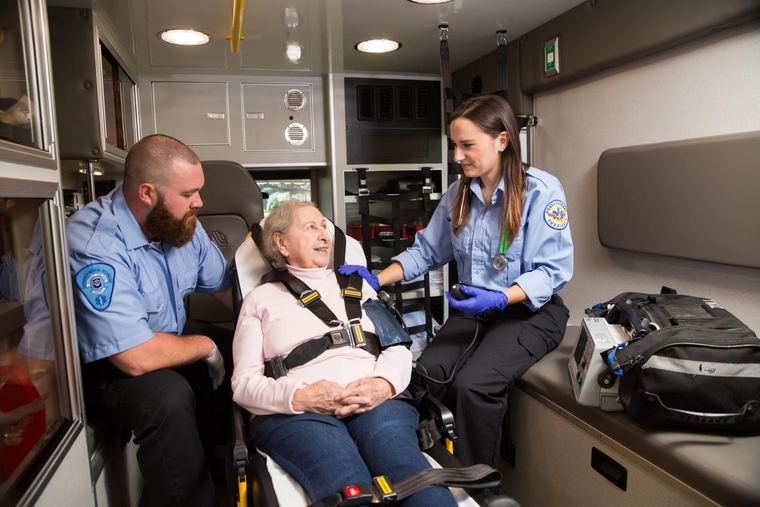
Picking up shifts, transferring, or moving to another participating state with a local agency.
 Multi-state agencies: air & ground
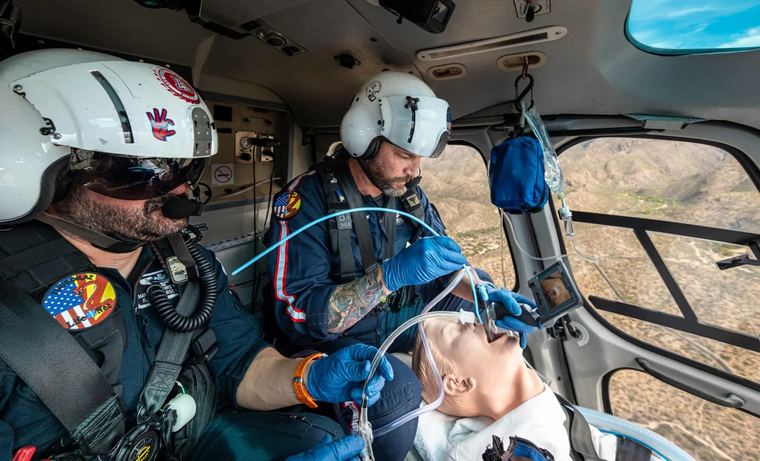
Air medical and cross-border ground transport where the agency is authorized in more than one state.
 Non-transport QRU & fire
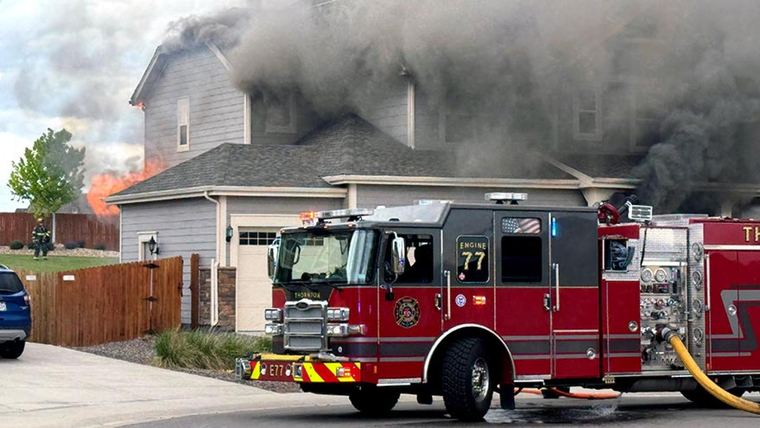
Engine companies and quick response units that provide care but do not transport.
 Special events & mass gatherings
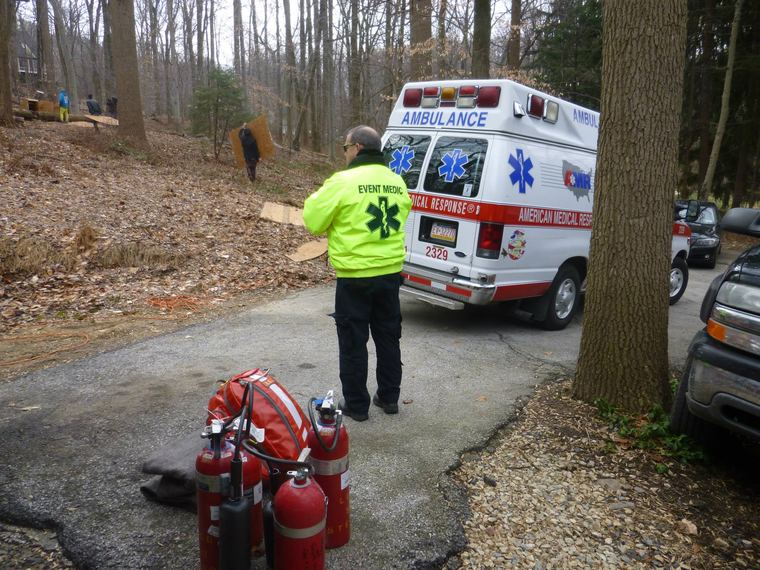
Festivals, concerts, races, and sporting events staffed by an event medical provider.
 Wildland fire & deployment
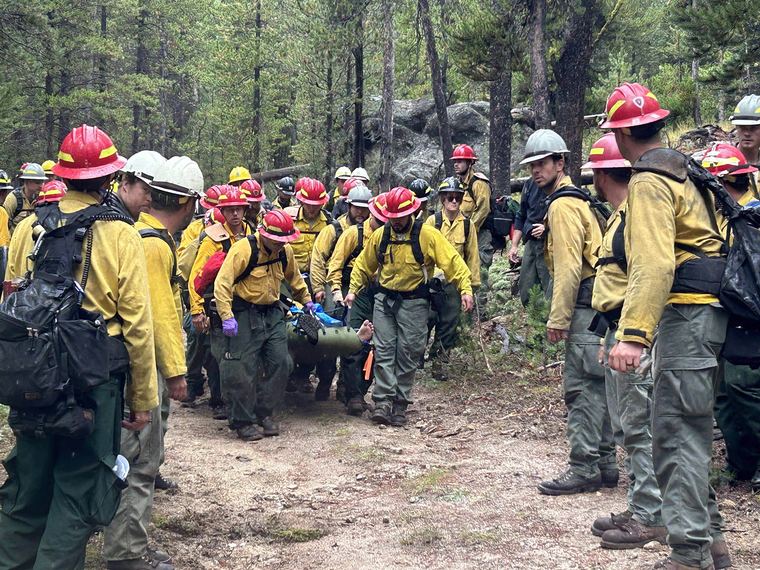
All-hazards assignments, incident response, and mutual aid across state lines.
 Nontraditional & non-911 roles
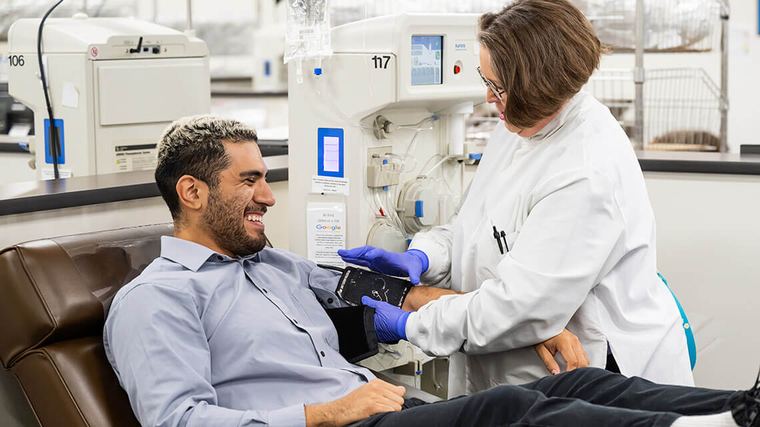
Occupational health, plasma and blood centers, clinics, and hospital-based EMS roles.
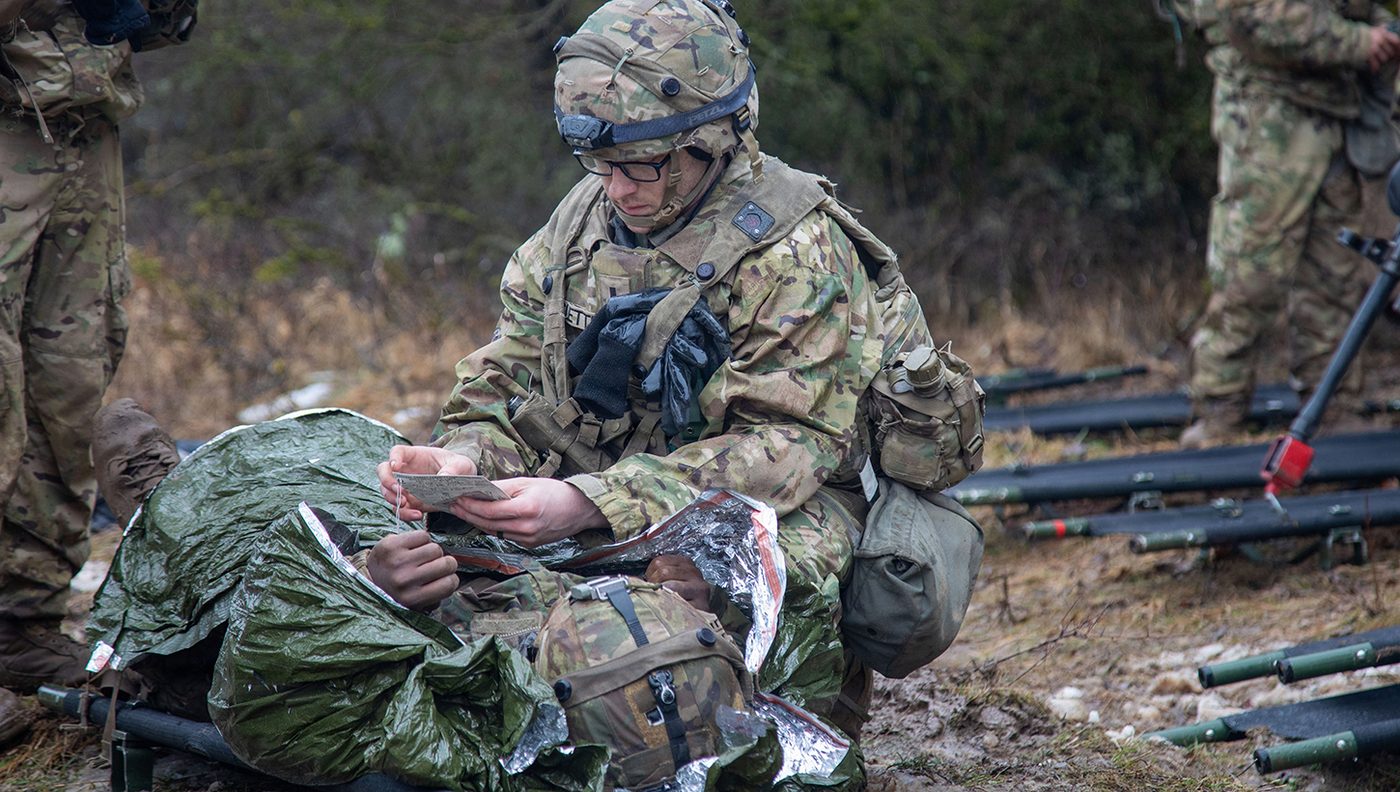 Military members & spouses
License portability across duty stations, and how the Compact supports military families.
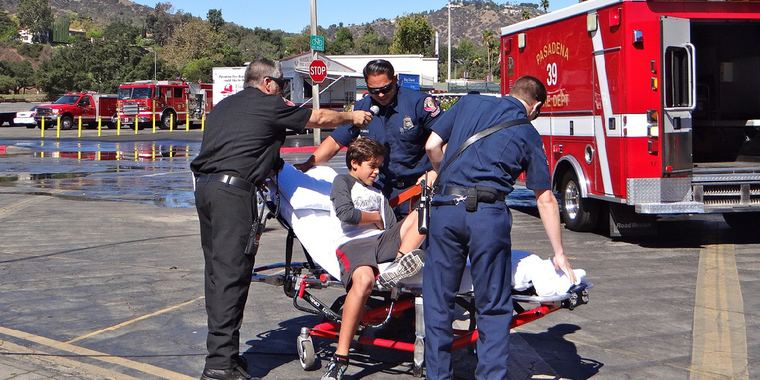 Relocating to a new Home State
You moved for good. How the privilege bridges you, and when to get a new license.
Traditional Ground EMS
Who this is for: You are licensed in one participating state and want to work, pick up shifts, lateral-transfer, or relocate to another participating state with a ground EMS agency.
This is the baseline case the Compact was built for. Once you are rostered with an EMS agency authorized in the receiving state, your Privilege to Practice is recognized immediately. No new application, no separate state license, no fee. You follow that agency's protocols, its medical director, and the state's scope of practice.
Watch the Home State trap
If you are already licensed in the state where you want to work, that state is a Home State, and the Privilege to Practice does not apply there. You practice under that state's license, at that state's license level, even if you hold a higher level elsewhere. A state license always takes precedence over a Compact privilege in the state that issued it. See the eligibility and licensure FAQ for worked examples.
What you do: verify your status, confirm your Home State license is current, get rostered with the local agency, and complete whatever local orientation that agency or state requires (an ePCR account, a protocol review). Those are operational steps set by the agency or state, not licensure requirements.
Multi-State Agencies: Air and Ground Transport
Who this is for: You work for an air medical service, a critical-care transport service, or a ground agency that is authorized to operate in more than one state, often crossing state lines on a single call.
Here the agency has already done the hard part. An EMS agency that operates across state lines holds the agency-level authorization it needs in each state. What the Compact removes is the requirement that each clinician on that agency's roster separately hold a license in every state the agency touches. Your single Home State license plus a valid Privilege to Practice is enough, as long as the agency is authorized in the states you fly or drive into. (For the agency side of this, see Employers & EMS Agencies.)
Whose protocols apply in transport?
During an interstate transport, you operate under your agency's protocols and medical direction throughout the transport, unless applicable law directs otherwise. An air ambulance based in one participating state delivering a patient to a hospital in another participating state remains under its agency's protocols and medical director for the whole transport while the Privilege to Practice is recognized.
Important: the Compact authorizes the clinician, never the agency. It does not let an out-of-state agency begin operating in a new state. The agency still needs that state's agency authorization, and any applicable COPCN, before it works there. The Compact only resolves whether the people on its roster are licensed to practice. The model legislation expressly preserves each state's authority over its EMS agencies.
This cuts the other way too, and it is part of your professional accountability: you cannot arrive in another state and claim you are practicing under your Home State agency if that agency is not licensed or otherwise authorized to operate there. Your agency affiliation does not cross state lines just because your license does. Confirm your employer holds the right authorization in every state you work.
Transporting into another state, and continuing care
States handle out-of-state agency operations very differently, and there is no national standard. Most states allow an out-of-state ambulance service to transport a patient into the state, and some allow a crew to continue care on a transport that began elsewhere, but most do not allow an outside agency to enter the state to initiate patient care. Read those provisions carefully: they govern what the agency may do, and they do not change the requirement that the personnel be licensed, which is the part the Compact handles. If your route crosses a state line on a single call, confirm the agency's operating authority is recognized in each state involved rather than assuming it.
Mutual aid and handshake agreements do not override state law
EMS has long relied on mutual-aid arrangements, memoranda of understanding, and informal neighborly agreements, and many of them have never been tested against what the law actually requires. None of those can override state law. A long-standing practice between two services is not the same as legal authorization. The Compact provides a clear, transparent legal basis for the personnel side of this, so do not assume an existing arrangement covers you; confirm that the legal requirements, for both the agency and the clinician, are actually met.
Non-Transport Quick Response and Fire Departments
Who this is for: You serve on a fire department, rescue squad, or quick response unit that provides EMS care but does not transport patients.
Not transporting does not change anything about your Compact obligations. The Privilege to Practice attaches to you as a clinician providing patient care, whether or not a stretcher is involved. You still need affiliation with an EMS agency the state has authorized, and you still practice under that agency's medical director, protocols, and the local scope of practice.
A QRU is still an authorizing agency
A non-transport quick response unit or fire department can be the locally authorized EMS agency you affiliate with, provided the state recognizes it as such and it supplies medical direction. The absence of an ambulance does not remove the requirement for an authorizing agency and a medical director; those are what make any EMS practice lawful, transport or not.
How a non-transport agency is recognized varies by state, which matters if you move or deploy. Some states license and approve every agency, including quick response units, and even assign response districts. Others do not license first-response non-transport agencies at all. Either way, what makes you authorized is affiliation with an agency the remote state accepts, so confirm locally with the State EMS Office rather than assuming your Home State arrangement carries over.
Special Events and Mass Gatherings
Who this is for: You are staffing a festival, concert, race, marathon, fair, or sporting event in a participating state where you are not licensed, usually through an event medical provider or a contracted EMS agency.
The Compact explicitly contemplates nontraditional settings: in many states clinicians may practice under the Privilege to Practice at medical facilities, clinics, festivals, sporting events, and concerts. The mechanics do not change. The event must be covered by an EMS agency that the state has authorized, and you practice under that agency's medical direction and protocols.
No self-deployment
You cannot show up at an event and provide care on your own initiative under the Privilege to Practice. You may practice in a remote state only when performing EMS duties for an appropriate authority, meaning an authorized agency that has engaged you for that event. Volunteering yourself independently is not authorized.
When a private employer offers an event or worksite gig
A private company that wants to hire an EMT or Paramedic for a movie set, casino, factory, concert, or similar event is a moment to slow down. Because EMS clinicians do not have independent practice authority, the work is authorized only if that employer has become a licensed EMS agency under the state's law, or the state otherwise specifically allows it. Be especially cautious if you are expected to administer medications or start IVs for an employer that is not an authorized EMS agency. If you confirm the employer is an authorized agency in that state with medical direction, you are on solid ground; if not, you may be in a legal gray area, and the title you use matters.
Wildland Fire and All-Hazards Deployment
Who this is for: You deploy on wildland fire assignments, all-hazards incidents, planned-event standby, or mutual aid into another participating state.
This is where the Compact's continuous nature matters most. Unlike mutual-aid mechanisms that require a declared emergency, the Privilege to Practice operates at all times. Qualified personnel affiliated with an authorized agency can deploy, pre-position before a predicted event, or respond with zero notice, without waiting for emergency licensure processing during a crisis.
The Compact and EMAC are different tools
The Emergency Management Assistance Compact (EMAC) operates government-to-government and requires a gubernatorial disaster declaration. The EMS Compact supports individual personnel mobility continuously, with no declaration required. If a Governor's declaration activates EMAC and a conflict arises, EMAC's terms prevail for the duration of that emergency response. The two work alongside each other.
The deployment rule is the same as everywhere else: you go when an appropriate authority assigns you. Self-deployment into an incident is not authorized under the Compact. Your assigning agency provides the medical direction and the protocols you work under.
The Privilege to Practice fully solves the licensing half: your Home State license is recognized in the state you deploy to, so you do not need a separate license there. What it does not supply, because that is state law and not something the Compact changes, is the agency affiliation and medical direction, and those do not travel with you.
The contractor gap to watch
An individual EMT or Paramedic contractor is usually affiliated with an EMS agency in their Home State, but that Home State agency is often not authorized to operate in the state of deployment. The Privilege to Practice does not carry your agency across state lines with you. Contractors are also frequently grouped into ad-hoc teams drawn from several states and several agencies, with different scopes of practice, different medical directors, and different protocols. A mobilization order or an informal interagency understanding is not the same as legal authorization to operate in the deployment state. Before you provide care on a wildland or all-hazards assignment, confirm that you are affiliated with an agency authorized in the deployment state, and that you know whose medical direction and protocols you are operating under. Resolving this is the deploying organization's responsibility, but it is your practice on the line, so confirm it.
Federal employees deploy under their own authority, so this gap is specific to non-federal individual contractors, where the deploying organization or contract must arrange a properly authorized agency affiliation in each deployment state.
Nontraditional and Non-911 EMS Roles
Who this is for: You work in occupational or industrial health, a plasma or blood donation center, a clinic, a hospital-based EMS role, an event medicine company, or another setting that is not classic 911 response.
This is the most misunderstood scenario, and it follows directly from the principle above: the Compact recognizes your license, but whether you can use it here depends on whether the state treats this setting as a place an EMS clinician may officially operate. In most states, neither the Privilege to Practice nor even a state-issued EMS license is the credential that authorizes this work, because the work falls outside the state's EMS Practice Act. Employers hire paramedics into these roles for the knowledge, skills, and abilities they bring, but the position is often classified as a medical technician, physician extender, or similar title, not as the practice of EMS under an EMS license. Where that is the case, the Compact has nothing to attach to: there is no recognized EMS practice for it to authorize.
The practical point is that being licensed is not the same as being authorized to practice. In a hospital emergency department, EMS clinicians are usually hired as emergency department technicians or patient care technicians: valued for their EMS experience, but not functioning under an EMS license, EMS medical direction, or EMS protocols, and therefore not legally practicing as an EMT or Paramedic. At a plasma or blood donation center, the role typically resembles a phlebotomist or patient care technician operating under a physician's delegated authority, again not EMS practice under your license. Mobile IV and home-infusion businesses are a fast-growing example of the same thing: unless the business is a licensed EMS agency operating under EMS medical direction as the state defines it, the clinicians are not functioning as EMS professionals. They may be operating under physician delegation, and in some cases in a legal gray area. Physician delegation itself varies by state, including what a physician may delegate and to whom, so confirm you are within state law before acting in a delegated role. (Employers and physicians weighing these arrangements may find the Medical Directors page useful.)
The Compact applies only where the state says this is EMS practice
The Privilege to Practice extends an EMS license across state lines. It cannot make a role into regulated EMS practice if the state does not treat it that way. The Compact applies to a nontraditional role only when that state has a law specifically authorizing EMS clinicians to officially practice as EMS clinicians in that setting, with the agency affiliation and physician medical direction the Compact always requires. Colorado, for example, has a law permitting EMS clinicians to work as EMS clinicians in hospitals, clinics, and other nontraditional settings when the employer follows certain provisions; in that situation the Privilege to Practice does apply. This is not universal, and it turns on how each state defines an authorized EMS agency and the scope of its Practice Act. A few states go the other way and specifically restrict EMS clinicians from practicing in certain settings.
There are narrow, state-specific exceptions to the agency-affiliation rule. Some states' Good Samaritan laws extend qualified immunity to clinicians who voluntarily render care while off duty, that is, independent of an EMS agency. Some states specifically allow EMS clinicians to practice in limited non-agency settings, such as certain industrial or special-event medical services. These are exceptions, not the rule, and each is defined by that state's own law, so verify the specifics before relying on one.
Titles imply authority, so be careful which one you use
If a role only calls for first aid, be cautious about presenting yourself as an EMT or Paramedic, because the title implies a legal authority you may not have in that setting. Be especially careful if you are expected to administer medications, start IVs, or do anything beyond basic first aid for an employer that is not a licensed EMS agency. Knowing which role you are filling protects you, your patient, and your license.
Confirm with the State EMS Office before you rely on it
Because the answer depends entirely on a specific state's law, do not assume your Privilege to Practice covers a nontraditional role. Contact the State EMS Office or Commissioner in the state where the work is performed and ask directly whether that role is recognized as EMS practice under an EMS license, and whether the Compact applies. If the state has a law that formally allows clinicians to practice as EMS clinicians in your setting, the Compact can apply; if not, the role is governed by other rules and the EMS license may not be the operative credential at all.
Military Members and Spouses
Who this is for: You are an active-duty service member, a veteran, in the National Guard or Reserves, or the spouse of one, and you hold or are moving with an EMS license.
The Compact is recognized as a tool for license portability when military families relocate. If both your current Home State and the state you are moving to participate, the Compact governs: your license is recognized through the Privilege to Practice, with no separate application, and you practice the same way as any other clinician (local agency affiliation and medical direction). If the destination state does not participate, a separate federal law (the Servicemembers Civil Relief Act) may require that state to recognize your license instead.
Because the rules differ depending on whether the destination state participates, and because spouses and service members have specific documentation paths, the details live on their own page.
One point comes up often and is worth being clear about. The Compact, and the Privilege to Practice, work from a state EMS license. The path to that license runs through the National Registry (NREMT) examination: a service member who takes and passes it qualifies for a state EMS license in any participating state. The term "medic" is used broadly across the military, and some components offer excellent technical training that is built for a specific mission rather than to the standard of civilian state licensure. A combat medic may have deep trauma expertise, for example, while civilian EMS practice also spans pediatric, geriatric, obstetric, and general medical care across the full scope a state license certifies. Paramedic programs can sometimes offer advanced placement that recognizes prior training, though there are practical limits to how far that goes.
The Commission's recommendation for military EMS personnel
The Compact works closely with the Department of War and its components. For anyone in the military with an interest or role in EMS, we strongly recommend taking and maintaining National Registry certification and obtaining a state EMS license in a participating Compact state. That is the same model every other licensed medical professional in the military follows, and EMS should be no exception. A state license plus a valid Privilege to Practice is what lets your training travel with you across participating states.
Start here
See Military EMS Personnel for how the Compact and the Servicemembers Civil Relief Act work together, what each requires, and the expedited licensure participating states provide for military-affiliated clinicians.
Relocating to a New Home State
Who this is for: You have moved permanently, or plan to, into another participating state.
The Privilege to Practice bridges you the moment you arrive: as long as your existing Home State license stays current and unrestricted, you can practice in your new state through the privilege, affiliated with a local agency. There is no waiting period and no time limit on the privilege itself. You can verify your status at any time.
For a permanent move, though, it is usually worth obtaining a license in your new Home State once you are settled, especially if your career plans, employer, or scope expectations are tied to that state. The privilege keeps you working in the meantime; a Home State license is the longer-term foundation. Your new state's State EMS Office handles licensure there.
Before You Practice
Run this short check before patient care in a state where you are working under the Privilege to Practice:
- Verified my Privilege to Practice shows as valid.
- Confirmed my Home State license is current and in good standing.
- Affiliated with an EMS agency authorized to operate in that state.
- Reviewed the local protocols and scope of practice.
- Completed any required local orientation, training, or system access.
- Met with the medical director or designee if required.
If your status is not visible yet
A qualified clinician may have a valid Privilege to Practice even if a state has not finished integrating with the database. If your status does not appear in the verification tool, contact the relevant State EMS Office for manual verification rather than assuming you are not covered.
Contact and Resources
Each participating state has a Governor-appointed EMS Compact Commissioner and a State EMS Office responsible for implementation. To find yours, see States & Commissioners. For the full legal picture, see Privilege to Practice & FAQs and the model legislation. Military service members and spouses should see Military EMS Personnel. For anything else, contact the Commission at info at emscompact.gov or your State EMS Office.
This page is for informational purposes and does not constitute legal advice.